Provinces & Territories
PROVINCES & TERRITORIES
Provinces
PROVINCES & TERRITORIES
Territories
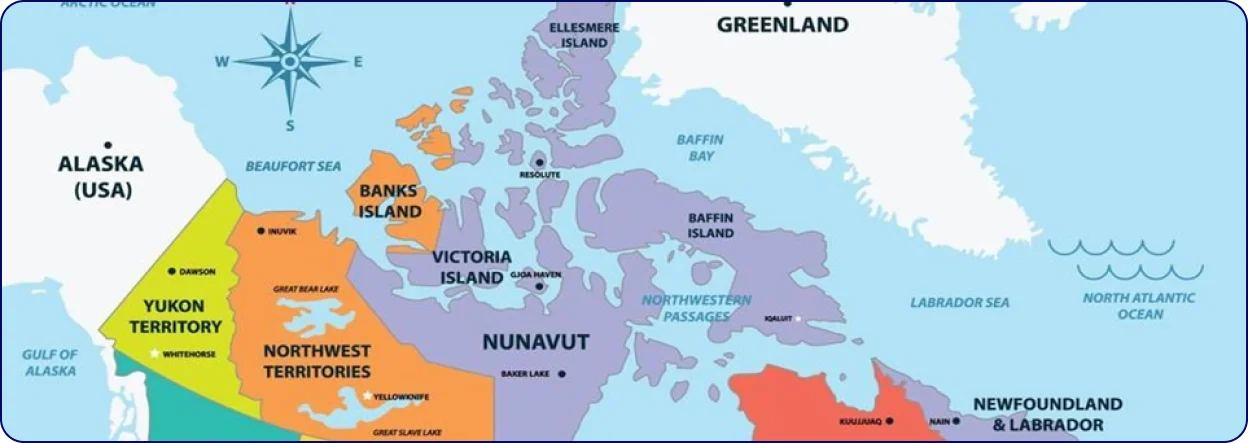
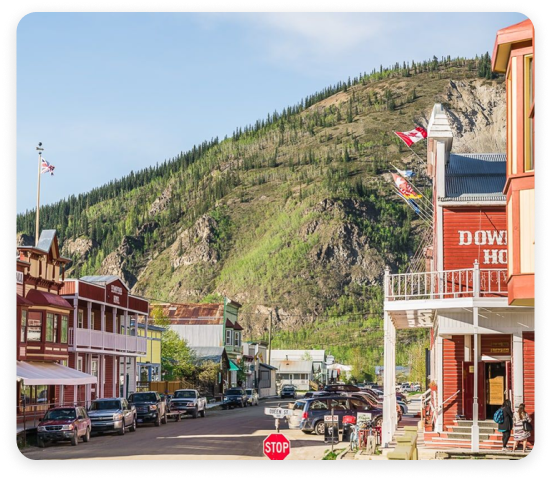
Yukon is a territory located in the northwest region of Canada, bordered by Alaska to the west. Its capital, Whitehorse, serves as a hub for adventure and outdoor activities, drawing visitors with its stunning natural landscapes, including mountains, rivers, and the iconic Klondike Gold Rush history. The territory is rich in Indigenous culture, primarily the First Nations, and offers numerous opportunities for hiking, fishing, and winter sports. The Carcross Desert, known as the world’s smallest desert, adds to its unique geography. Yukon’s vibrant arts scene, historic sites, and strong sense of community make it a fascinating destination.
Key Benefits
-
Abundant outdoor recreational opportunities. -
Rich cultural heritage and Indigenous traditions. -
Unique geographic features like the Carcross Desert. -
Thriving arts scene and local festivals. -
Historical significance tied to the Gold Rush
Fun Fact
- The Yukon is home to the world’s smallest desert, the Carcross Desert, which is about 2.5 square miles in size.
Did You Know?
The Yukon has the Klondike Gold Rush National Historical Park, where an estimated 100,000 prospectors flocked during the late 1890s.
The Northwest Territories, situated in central Canada, is known for its vast wilderness and rich cultural diversity. The capital, Yellowknife, is a vibrant city that serves as a gateway to the region’s stunning landscapes, including Great Slave Lake, the largest freshwater lake in Canada. The territory is home to several Indigenous groups, and their heritage is integral to the culture and governance of the region. Outdoor enthusiasts flock to the Northwest Territories for activities like fishing, hiking, and viewing the spectacular Northern Lights. Additionally, the territory is renowned for its diamond mines, significantly contributing to the local economy.
Key Benefits
-
Access to breathtaking natural beauty and outdoor activities. -
Cultural richness from diverse Indigenous communities. -
Economic opportunities from diamond mining. -
Potential for Northern Lights tourism. -
Strong community ties and support for local initiatives.
Fun Fact
- The Northwest Territories has the world’s largest freshwater lake by area, Great Slave Lake, covering about 28,568 square kilometres (11,030 square miles).
Did You Know?
The territory is famous for its diamond mines, such as Ekati and Diavik, which contribute significantly to Canada’s diamond production.
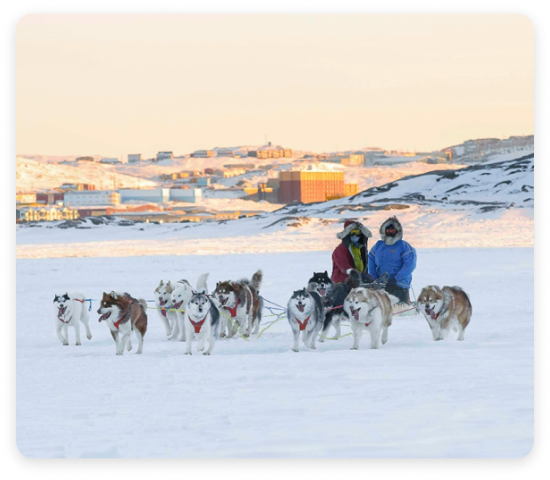
Nunavut, Canada’s largest and northernmost territory, was officially separated from the Northwest Territories in 1999. Its capital, Iqaluit, is the administrative centre and a focal point for Inuit culture. The territory covers approximately one-fifth of Canada’s landmass but is one of the most sparsely populated areas in the world, with most communities accessible only by air or boat. Nunavut is rich in Indigenous heritage, with the Inuit way of life deeply woven into the fabric of daily living. The landscape is characterized by vast tundra, glaciers, and Arctic wildlife, offering unique opportunities for exploration and cultural experiences. The name “Nunavut,” meaning “our land” in Inuktitut, reflects the pride and connection that the Indigenous people have to this stunning region.
Key Benefits
-
Unique Arctic environment and wildlife experiences. -
Strong Indigenous cultural identity and traditions. -
Opportunities for ecotourism and adventure travel. -
Connection to traditional ways of life and community resilience -
Potential for research and education on Arctic ecosystems.
Fun Fact
- Nunavut is home to some of the most remote and pristine landscapes in the world, including the stunning Auyuittuq National Park, known for its dramatic mountains and glaciers.
Did You Know?
Nunavut is so vast that it covers approximately one-fifth of Canada’s landmass, yet it has a very small population, making it one of the most sparsely populated areas in the world.
Yukon is a territory located in the northwest region of Canada, bordered by Alaska to the west. Its capital, Whitehorse, serves as a hub for adventure and outdoor activities, drawing visitors with its stunning natural landscapes, including mountains, rivers, and the iconic Klondike Gold Rush history. The territory is rich in Indigenous culture, primarily the First Nations, and offers numerous opportunities for hiking, fishing, and winter sports. The Carcross Desert, known as the world’s smallest desert, adds to its unique geography. Yukon’s vibrant arts scene, historic sites, and strong sense of community make it a fascinating destination.
Key Benefits
-
Abundant outdoor recreational opportunities. -
Rich cultural heritage and Indigenous traditions. -
Unique geographic features like the Carcross Desert. -
Thriving arts scene and local festivals. -
Historical significance tied to the Gold Rush
Fun Fact
- The Yukon is home to the world’s smallest desert, the Carcross Desert, which is about 2.5 square miles in size.
Did You Know?
The Yukon has the Klondike Gold Rush National Historical Park, where an estimated 100,000 prospectors flocked during the late 1890s.The Northwest Territories, situated in central Canada, is known for its vast wilderness and rich cultural diversity. The capital, Yellowknife, is a vibrant city that serves as a gateway to the region’s stunning landscapes, including Great Slave Lake, the largest freshwater lake in Canada. The territory is home to several Indigenous groups, and their heritage is integral to the culture and governance of the region. Outdoor enthusiasts flock to the Northwest Territories for activities like fishing, hiking, and viewing the spectacular Northern Lights. Additionally, the territory is renowned for its diamond mines, significantly contributing to the local economy.
Key Benefits
-
Access to breathtaking natural beauty and outdoor activities. -
Cultural richness from diverse Indigenous communities. -
Economic opportunities from diamond mining. -
Potential for Northern Lights tourism. -
Strong community ties and support for local initiatives.
Fun Fact
- The Northwest Territories has the world’s largest freshwater lake by area, Great Slave Lake, covering about 28,568 square kilometres (11,030 square miles).
Did You Know?
The territory is famous for its diamond mines, such as Ekati and Diavik, which contribute significantly to Canada’s diamond production.Nunavut, Canada’s largest and northernmost territory, was officially separated from the Northwest Territories in 1999. Its capital, Iqaluit, is the administrative centre and a focal point for Inuit culture. The territory covers approximately one-fifth of Canada’s landmass but is one of the most sparsely populated areas in the world, with most communities accessible only by air or boat. Nunavut is rich in Indigenous heritage, with the Inuit way of life deeply woven into the fabric of daily living. The landscape is characterized by vast tundra, glaciers, and Arctic wildlife, offering unique opportunities for exploration and cultural experiences. The name “Nunavut,” meaning “our land” in Inuktitut, reflects the pride and connection that the Indigenous people have to this stunning region.
Key Benefits
-
Unique Arctic environment and wildlife experiences. -
Strong Indigenous cultural identity and traditions. -
Opportunities for ecotourism and adventure travel. -
Connection to traditional ways of life and community resilience -
Potential for research and education on Arctic ecosystems.
Fun Fact
- Nunavut is home to some of the most remote and pristine landscapes in the world, including the stunning Auyuittuq National Park, known for its dramatic mountains and glaciers.
Did You Know?
Nunavut is so vast that it covers approximately one-fifth of Canada’s landmass, yet it has a very small population, making it one of the most sparsely populated areas in the world.